As an Amazon Associate, I earn from qualifying purchases.
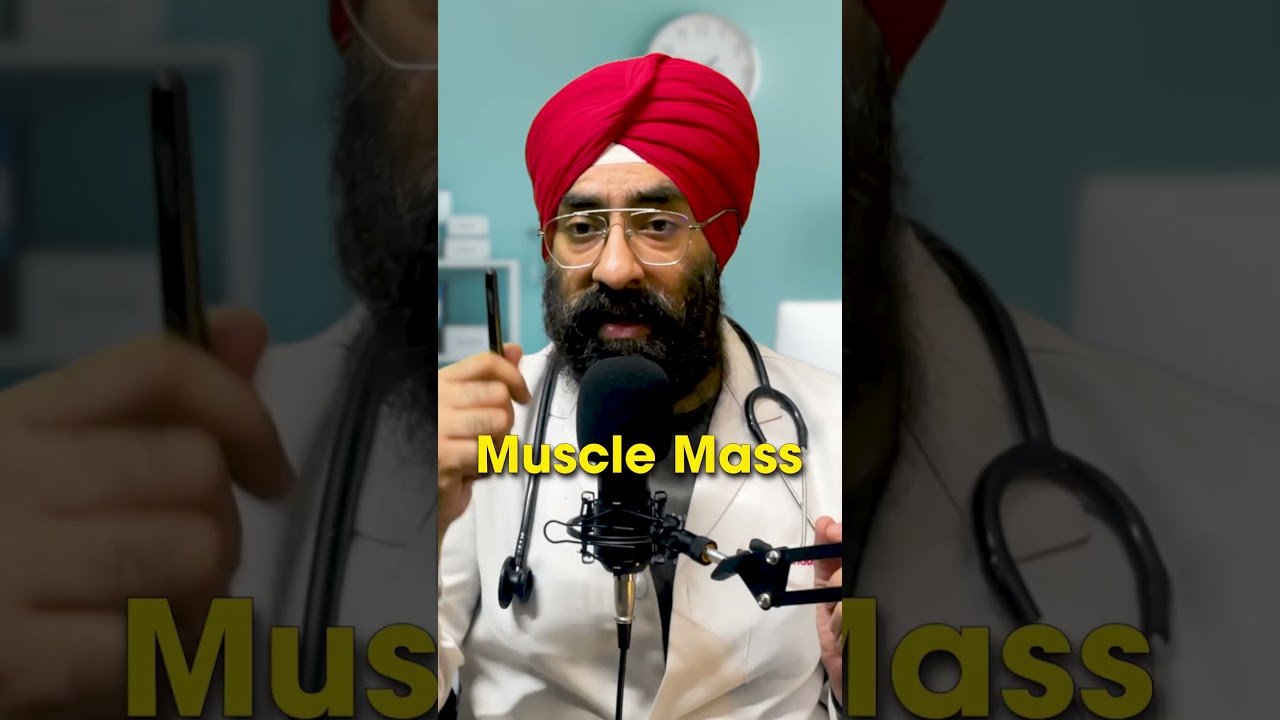
Intermittent fasting (like the 16:8 method) is everywhere—but is it always safe? In this video, we break down why intermittent fasting can become risky for certain people, especially if you already have nutrient deficiencies or low muscle mass.
If you’re low on iron (anemia/low Hb), Vitamin D, Calcium, Vitamin B12, or you already have weak bones or low muscle mass, then simply reducing your eating window without improving food quality can worsen deficiencies, increase fatigue, and put extra stress on your heart and organs.
This video explains:
Why fasting can backfire when you’re already deficient
How muscle loss can happen if calories/protein drop
Why “same diet + only fasting” may do more harm than good
Who should be careful (and who should avoid it)
What tests to consider before starting intermittent fasting
Why talking to a doctor matters
If you’re planning to start intermittent fasting, please don’t copy trends blindly—get your basics checked first.
Disclaimer: This content is for educational purposes only and is not a substitute for medical advice. Always consult your doctor for personalized guidance.
#IntermittentFasting #WeightLoss #VitaminDeficiency #Anemia #VitaminD #B12 #MuscleLoss #HeartHealth #Nutrition #HealthEducation
Join Our Mailing List and Instantly Access Your Free Health Guide!
Instantly Access Your Free Children’s Books Here!
With Amazon Prime, shipping is FREE! Get a 30-DAY FREE TRIAL by
signing up here
Disclaimer: As an Amazon Associate, I can earn from qualifying
purchases at no additional cost to you